Weather conditions play a crucial role in determining the success and timeline of any concreting project on the Gold Coast. Whether you're planning a concrete driveway, exposed aggregate driveway, or concrete path, understanding how different weather patterns affect concrete work is essential for proper project planning and execution. In 2025, with increasingly unpredictable weather patterns, working with an experienced concreting contractor who understands local climate conditions has become more important than ever.
Temperature's Impact on Concrete Curing
Temperature is one of the most critical factors affecting concrete curing times and project schedules. The Gold Coast's subtropical climate presents unique challenges throughout the year that every concreting service must navigate carefully.
Hot Weather Challenges
During the Gold Coast's hot summer months, temperatures regularly exceed 30°C, creating several complications for concreting projects. High temperatures accelerate the chemical reaction in concrete, causing it to set much faster than optimal. This rapid setting can lead to reduced workability, making it difficult to achieve smooth finishes and proper compaction. The accelerated curing process also increases the risk of plastic shrinkage cracking, which can compromise the structural integrity of your concrete driveway or path.
Professional concreting companies on the Gold Coast often schedule hot weather pours for early morning hours, typically between 6:00 AM and 10:00 AM, to avoid peak temperatures. This scheduling adjustment can extend project timelines but ensures superior concrete quality. Additionally, hot weather requires more frequent water curing and the use of specialized admixtures to slow the setting time, which can add 24-48 hours to the overall project timeline.
Cold Weather Considerations
While the Gold Coast rarely experiences truly cold weather, winter temperatures can still drop to 10-15°C, particularly during early morning hours. Cold conditions slow the hydration process in concrete, significantly extending curing times. What might normally be https://finnplrd840.lowescouponn.com/the-complete-guide-to-concreting-on-the-gold-coast a 24-hour cure time in optimal conditions could extend to 48-72 hours in cooler weather.
This extended curing period means that protective measures must remain in place longer, potentially delaying subsequent construction phases. For exposed aggregate driveways, cold weather can also affect the timing of the washing process, as the concrete must reach the proper consistency before aggregate exposure can begin.
Rainfall and Moisture Management
The Gold Coast's wet season, typically occurring from December through March, presents significant challenges for concreting projects. Rain can completely halt concrete work and cause substantial delays to project timelines.
Pre-Pour Weather Monitoring
Modern concreting contractors use advanced weather monitoring systems to track rainfall patterns up to 72 hours in advance. If rain is forecast within 6-8 hours of a planned pour, most projects are postponed. This precautionary approach prevents the costly problems associated with wet concrete, including surface scaling, reduced strength, and poor finish quality.
The unpredictable nature of Gold Coast weather means that even short-term forecasts can change rapidly. A concreting service may need to reschedule multiple times during the wet season, potentially extending project timelines by several weeks.
Post-Pour Protection
Once concrete is poured, protection from rain becomes critical during the initial curing period. Fresh concrete that encounters rain within the first 6 hours can suffer permanent damage to its surface. Professional contractors use plastic sheeting, temporary structures, and quick-setting additives to protect against unexpected rainfall.
For larger projects like commercial concrete driveways or extensive concrete paths, temporary weather protection can add significant costs and extend project timelines. These protective measures must remain in place until the concrete reaches sufficient strength to resist rain damage, typically 24-48 hours depending on conditions.
Humidity Effects on Concrete Work
The Gold Coast's high humidity levels, often exceeding 70% during summer months, create additional challenges for concreting projects. High humidity slows moisture evaporation from concrete surfaces, affecting finishing operations and extending curing times.
When humidity levels are extremely high, the concrete surface may remain workable longer than expected, which can actually benefit complex finishing techniques used in exposed aggregate driveways. However, this extended workability can also delay the timing of subsequent operations, such as joint cutting or surface treatments.
Conversely, low humidity combined with high temperatures and wind can cause rapid moisture loss from concrete surfaces, leading to plastic shrinkage cracking. Professional concreting companies monitor humidity levels and adjust their curing procedures accordingly, sometimes requiring extended moist curing periods that can add days to the project timeline.
Wind Conditions and Surface Quality
Wind speed and direction significantly impact concrete finishing operations, particularly for decorative surfaces like exposed aggregate driveways. Strong winds accelerate moisture evaporation from concrete surfaces, making finishing operations more challenging and time-sensitive.
Coastal winds common to the Gold Coast can carry salt spray, which can affect concrete chemistry and require additional protective measures. Projects located within 1 kilometer of the coastline may require specialized concrete mixes and extended curing procedures, adding 1-2 days to typical project timelines.

Seasonal Planning Strategies
Understanding Gold Coast seasonal weather patterns allows for better project planning and timeline management. The dry season, typically from April through November, offers the most predictable conditions for concreting work.
Optimal Timing Windows
May through August represents the ideal window for most concreting projects on the Gold Coast. During these months, temperatures are moderate, rainfall is minimal, and humidity levels are more manageable. Projects scheduled during this period typically experience fewer weather-related delays and can proceed according to planned timelines.
However, this optimal period also represents peak demand for concreting services, which can affect scheduling and pricing. Planning projects well in advance becomes crucial for securing preferred timing slots with reputable contractors.
Modern Weather Management Technologies
In 2025, advanced weather monitoring and concrete technology have improved project timeline predictability. Many concreting contractors now use real-time weather stations, satellite data, and predictive modeling to make informed decisions about project scheduling.
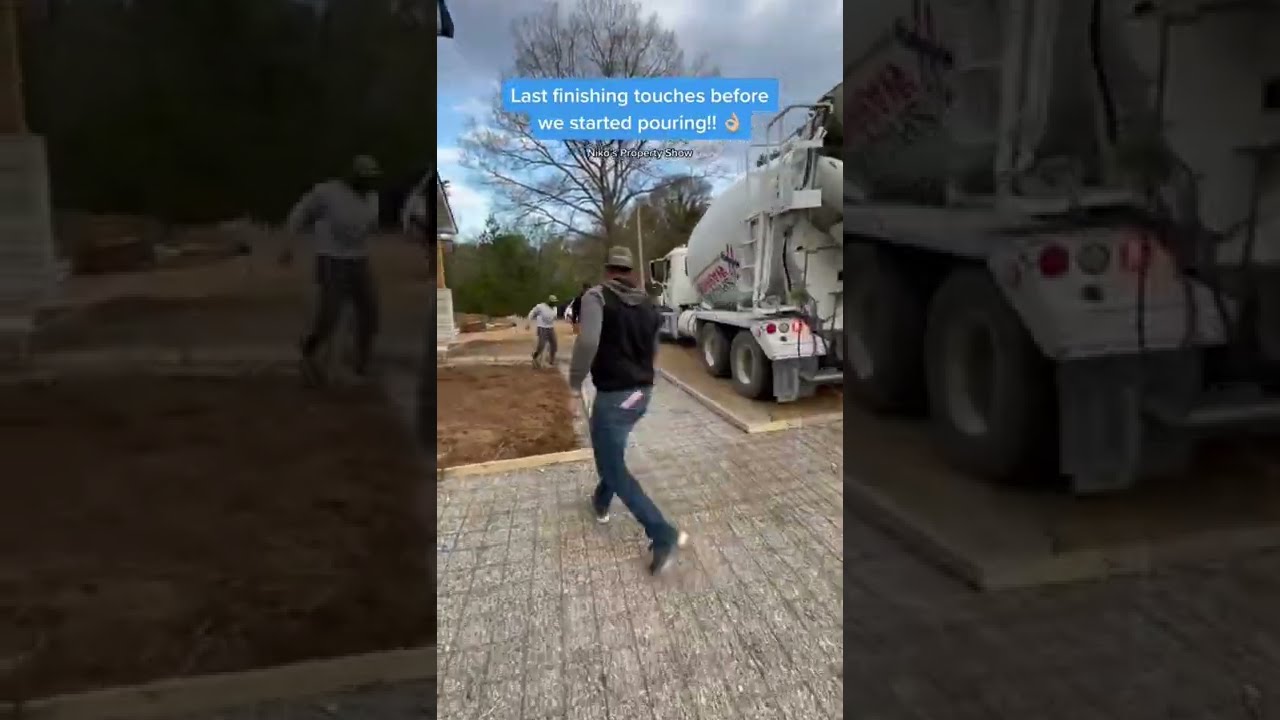
New concrete admixtures and accelerating agents allow for better weather adaptation, reducing the impact of less-than-ideal conditions on project timelines. These technological advances have made it possible to successfully complete concreting projects during previously unsuitable weather windows, though optimal conditions remain preferable.
Communication and Expectation Management
Successful weather management requires clear communication between contractors and clients about potential delays. Reputable concreting companies provide detailed weather contingency plans and regular updates about how current conditions might affect project timelines.
Understanding that weather delays are often beyond anyone's control helps maintain realistic expectations. While modern techniques and materials have reduced weather sensitivity, completely eliminating weather-related delays remains impossible, particularly during the Gold Coast's variable climate conditions.
Weather will continue to be a primary factor in concreting project timelines on the Gold Coast. By working with experienced professionals who understand local climate patterns and employ modern weather management strategies, property owners can minimize delays and ensure successful project completion regardless of seasonal challenges.
Gold Coast Concreting Experts
Shop 4/22 Bailey Cres, Southport QLD 4215, Australia
ph. (07) 5230 8851